Start with your process.
Choose a process model or discuss the calculations your team needs.
Process engineering software
Model the plant. Compare operating conditions. Find the limits at the next scale.
7 days free. No credit card.

Founder’s academic & professional background
About the founderScroll to explore
Chemistry · Biotechnology · Food production
Follow material flows, recovery and heating or cooling duties.
Explore the calculationsCompare equipment, reactor duties and capacity at the next scale.
Rotate the reactorFit supported bioprocess studies to reviewed data. Inspect validation and the measured operating range.
Use process dataReactor + CFD workbench
Inspect geometry. Screen transport constraints. Define the next study.
Explore the reactor workbench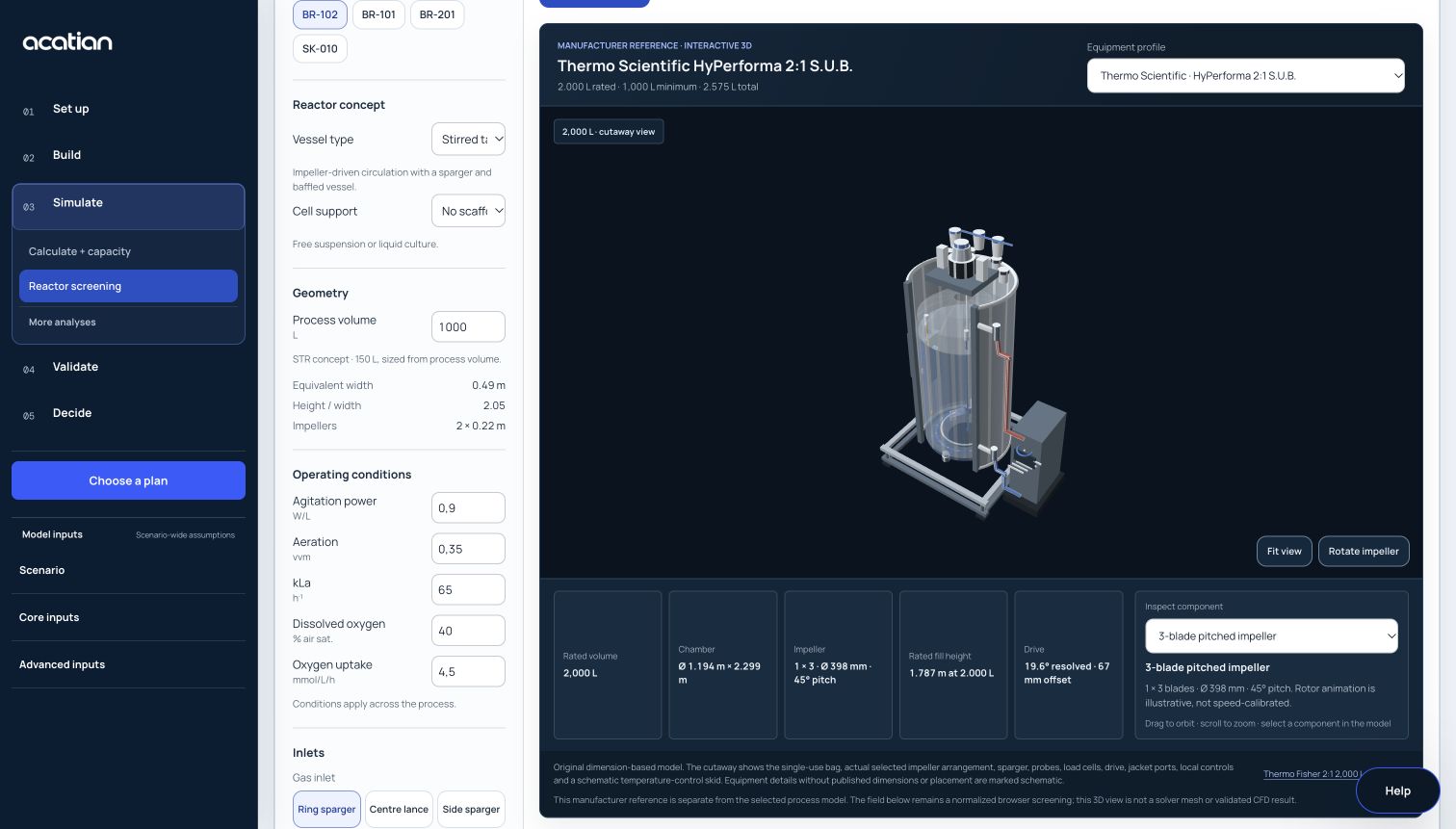
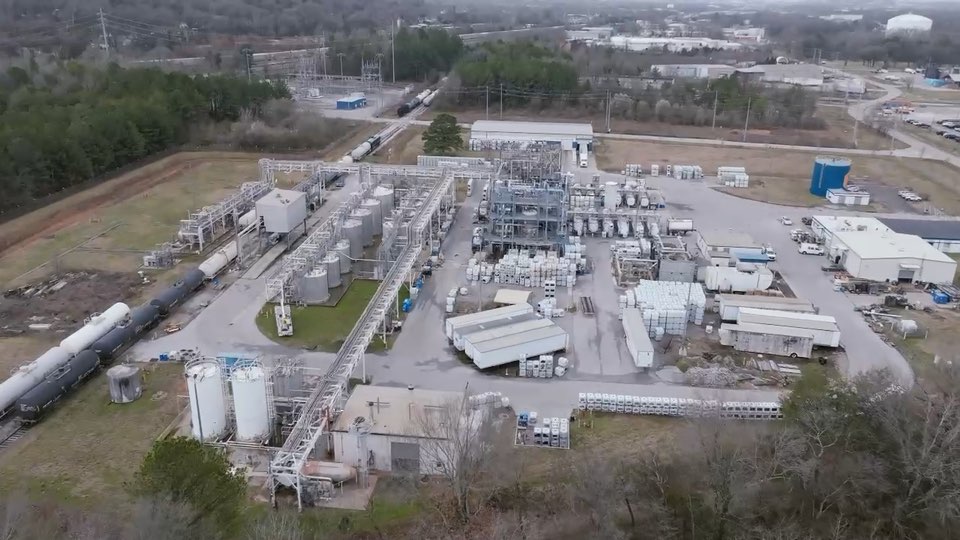 From equipment to a working modelFrom plant to model.Open film
The plant. The model. The decision.
Follow a production process from the equipment to its material flows, calculations and results. Try the model yourself.
01 / The whole plant
Equipment, utilities and material flows set the limits of production. Start with the system you want to understand.
02 / Inside production
Define what enters, what leaves and what each step needs. A useful model starts with a clear engineering basis.
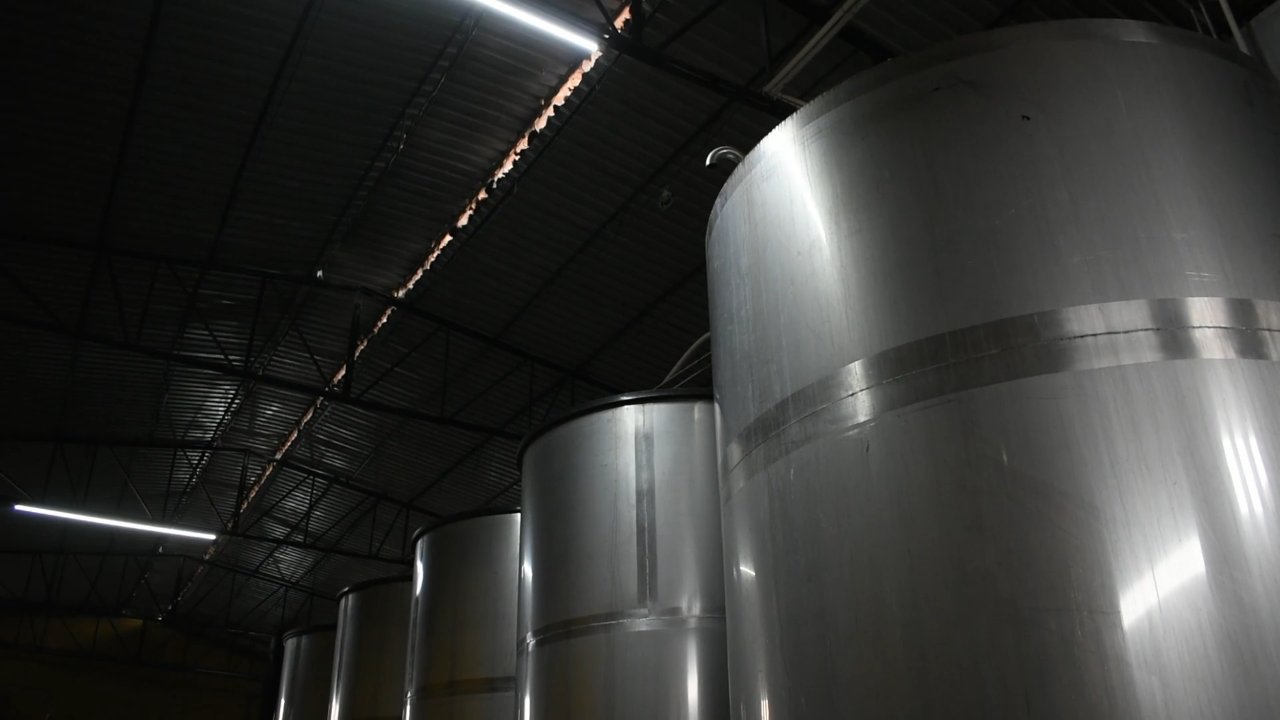 Illustrative overlay · synthetic data
03 / Make the flows visible
This example concentrates a water-based feed. Material and energy balances connect the streams to the operating target.
04 / A working model
Select this chapter to load the interactive example.
05 / From model to decision
Higher concentration means less product mass and more evaporation. Change the target in the model, then use the same balances to compare the result.
Independent stock footage; the locations shown are not Acatian customer projects. The overlay and 3D model use a synthetic evaporation example, not measurements from these facilities. Basis: 1,000 kg feed, 10% solids, 25 → 80°C, single-effect evaporation. Inspect the calculation basis. Footage: 8K and Miguel Guerra / Pexels.
A shorter route from model to decision
Reuse your process model across operating conditions and scales. Compare results and share the calculation basis.
Evaluate your workflowInteractive equipment
Rotate a production-scale reactor. Look inside the vessel, trace the gas supply and inspect the cooling circuit.
Illustrative reactor geometry · 20, 100 and 200 m³.
Study scale-upA single drive turns the shaft and its impellers. Impeller configuration, power and mixing time need a process-specific design basis.
Try a calculation
Change the solids target and calculate how much concentrate, evaporated water and heating duty the process requires.
Native evaporation calculation · screening example
One aqueous stream with fully retained, nonvolatile solids. Feed 25°C; boiling temperature 80°C; heat capacity 4.18 kJ/(kg·K); water latent heat 2,300 kJ/kg; steam economy 1; thermal efficiency 100%. Sensible heating and evaporation are calculated separately. This screening example excludes boiling-point elevation, fouling, product degradation and equipment sizing.
The application uses the same evaporation calculation. The separate CHO reference case provides a complete set of downloadable inputs and numerical checks.
Inspect a full reference case →Public reference model
The 2,000 L fed-batch example includes model inputs, time profiles, sensitivity results and calculation checks. AC-REF-MAB-FB-001 is a synthetic screening example, not a customer-validated process.
Choose a process model or discuss the calculations your team needs.